
Gangneung port field route
Jumunjin is easier when the meal is treated as the centre of the visit, not as a reward after racing through every market lane. The harbour has working traffic, changing stock, wind off the water and several ways to sit down. A group can enjoy all of that, but it needs a simple order: arrive, understand the food choice, eat without blocking the market, take a short harbour look and leave while the return is still easy. That order gives the port room to feel like a place rather than a checklist.
Start with the plate you can actually share
Before leaving Gangneung, decide which of these four visits you are planning. They are different outings even if the map pin is the same.
Market-first
You want to see the stalls, boats and working rhythm. Keep the meal simple and leave space for a short look at the waterfront.
Meal-first
The group mainly wants a sit-down seafood meal. Choose the seating and cooking format before adding a long walk.
Mixed diets
Someone avoids raw fish, shellfish or strong smells. Make a safe cooked-food plan before anyone starts choosing from a stall.
Return-sensitive
You must be back in central Gangneung for a train, check-in or another booking. Treat the port as one compact chapter.
The port has a working rhythm
Jumunjin is not a single quiet promenade. A market entrance, a fish stall, a loading area, a restaurant and a seawall can all be close together while asking you to behave differently. Stand to one side when reading a sign. Let people carrying boxes pass. Keep a meeting point away from the narrowest doorway. These small actions change the feeling of the visit because nobody has to negotiate around a group that stopped in the middle of the workday.
There is also a difference between seeing seafood and buying it. Seeing can take ten minutes and a slow loop. Buying introduces questions about preparation, serving, storage, seating and payment. If you are not ready to answer those questions, keep walking and observe. If you know what you want, ask one clear question at a time and let the seller explain the next step. The best route is the one that leaves everyone aware of what will happen after the purchase.
Do not use the first colourful display as a verdict on the whole port. Stock, weather and the day's boats alter what is available. A stall with the right portion, a clear process and a place to sit may suit your group better than a more dramatic display. The harbour is a living food system, not a stage arranged for visitors.
Four windows from arrival to departure
- Window one — orientation. Give the group a few minutes to find the toilet, water, meeting point and market name. Put bags somewhere that does not block a stall. People who need to sit can settle before the food decision begins.
- Window two — selection. Ask what is available, how it will be served, how long it may take and whether a cooked alternative is possible. One person can ask while another checks seating. Everyone else should keep the aisle clear.
- Window three — the table. Eat first, photograph second. Confirm that the person avoiding raw food has a complete meal, not only side dishes. Keep the serving area tidy and agree when the group will leave before anyone starts a second round.
- Window four — the harbour and exit. Use the remaining energy for one short waterfront section. The final photograph should not decide whether the group misses the bus, walks in cold wind or carries a leaking package across town.
| Window | What to settle | Good sign | Turn shorter when |
|---|---|---|---|
| Arrival | Meeting point, facilities, bags and market identity | Every traveller knows where to wait | The entrance is crowded or the weather is uncomfortable |
| Selection | Serving style, cooking, waiting, seating and payment | The next step can be said in one sentence | Conditions stay vague or the wait keeps growing |
| Meal | Diet, drinks, warmth and a leaving time | Everyone can eat and rest | A traveller is hungry, cold or overwhelmed |
| Waterfront | One pier, breakwater or harbour view | The group still walks together | Wind, wet ground or the return margin worsens |
Design the meal for the people, not the headline
For children: Ask about texture and heat before ordering a dramatic raw platter. A warm soup, rice or a small cooked dish can give a child a stable base while adults try something new. Let children watch the harbour from a safe edge instead of making them stand beside a moving cart.
For older travellers: A chair, a toilet nearby and a level approach matter more than one extra lane of stalls. Keep the harbour walk after the meal short. If the pavement is wet, the group has already received the main experience at the table.
For a traveller who avoids raw food: Say the requirement before the group enters the busiest area. Ask for a complete cooked option and check whether cross-contact or shared preparation matters to the person. Nobody should have to defend a dietary choice while six people are waiting to order.
For a photographer: Agree on one short shooting block. Work from the edge, keep tripods out of the loading path and avoid photographing a person who is working without permission. The port's authenticity depends on people being allowed to finish their jobs.
For a group carrying luggage: Find out where bags can stay before buying anything that leaks, smells or needs immediate refrigeration. A market visit that ends with a long transfer is a different plan from a market visit that ends at a nearby room.
Choose a route shape
| Route shape | Best base | What it protects | What it gives up |
|---|---|---|---|
| Port meal and return | Gangneung Station or city centre | Predictable dinner and an easy change of plan | Less time for a long shore walk |
| Port plus short coast | Jumunjin or nearby beach base | A slower waterfront ending | More dependence on wind and local transport |
| Market observation only | Any Gangneung base with a clear return | Low commitment for mixed diets or uncertain weather | No large seafood meal |
| Port as a day-trip anchor | Accommodation near the station | Simple luggage and onward travel | The port cannot absorb an endless afternoon |
Without a car, write down the exact place where you will leave the market, not only the name of the district. A port can have several entrances and a group can lose time retracing a lane while looking for a stop. With a car, allow for parking, loading, a driver who also needs to eat and the slow movement of weekend traffic. A car removes one transfer; it does not remove the need for a turning point.
Accommodation changes the appetite for risk. A central base makes an early return less painful and gives you a second meal option if the market does not suit the group. A coastal base makes a slow evening attractive but may make bags, supplies and an unexpected early exit harder. Choose the base that supports the route you actually selected, not the one that looks closest on a small map.
When to add the waterfront
The harbour view is a good closing scene because it does not need a second purchase. Walk only as far as the group can return without bargaining over every step. On a clear day, one breakwater or a line of boats may be enough. On a windy day, use the market edge and leave the open seawall to another visit. Wet stones and ropes are part of a working port, not props for a shortcut.
If the group wants a longer beach, make it a separate decision with its own transport and toilet check. Do not promise that an extra shore is “just nearby” until you have checked the actual walk. A seafood meal can be tiring, and carrying a child, a camera or a packed parcel changes the distance each person can tolerate.
At the exit, check that all bags are closed, leftovers are stable and every traveller knows the next stop. The moment to leave is before the last person begins browsing again. A calm return protects the memory of the port more than one final purchase.
Four seasons, four appetites
Spring: The sea breeze can feel sharper than the city. Keep a warm layer for the wait and put the meal before the open waterfront if anyone is sensitive to cold. Spring light is useful for a short harbour photograph, but do not extend the walk just because the sky is clear.
Summer: Odours, sun and weekend crowds arrive together. Start earlier, complete the seating decision before the group is hungry and keep seafood in a safe time window. A shaded meal and a short coast section usually work better than a long open loop.
Autumn: Comfortable air can make a half-day feel unlimited. Keep the return alarm visible. If a market queue grows, choose the meal that can be understood and served rather than waiting for the perfect display.
Winter: Wind travels across the port and waiting with cold hands makes every decision harder. Reduce outdoor photography, favour a warm seat and leave before the return becomes a night problem. Winter is a good season for a focused meal, not for proving endurance.
Signals that the plan is working
Positive signals
- The group can describe the chosen meal format and leaving time.
- The person with a dietary limit has a full, comfortable option.
- Seats, toilets, bags and payment are clear before the order.
- The waterfront is an optional finish rather than a rescue mission.
- The return still has margin after the last bite.
Limitation signals
- The group is comparing prices without understanding preparation or serving.
- A traveller is being asked to “find something” after everyone else orders.
- Bags, seafood packaging and the next transfer point in different directions.
- The market lane is blocked by a photo stop or an undecided group.
- The walk is growing because nobody set a turning point.
Questions people ask
Is half a day enough for Jumunjin?
Yes, when the visit is one market, one meal and one short harbour section. Add a distant beach only when it has its own time and transport margin.
Can someone who does not eat raw seafood enjoy the port?
Yes. Decide on cooked food, rice, soup or another complete option before the busy selection moment. The port itself is a useful visit even without a raw dish.
Should we buy seafood to take away?
Only after checking packaging, storage, the accommodation's rules and the length of the ride. A good-looking purchase is not useful if it cannot travel safely.
Can we add the breakwater after lunch?
Use it as a short, optional finish. Wind, wet surfaces or a tightening return margin are good reasons to stop at the harbour edge instead.
Is it better to stay near the port?
A port base suits a slow coastal evening. A station or city base suits early departures, mixed plans and travellers who want an easy alternative when the market feels too busy.
How should a no-car group meet up?
Choose one visible meeting point outside the narrowest market lane and record the exact departure stop. Do not assume every market entrance leads to the same road.
Jumunjin rewards attention to the ordinary sequence: a seller finishing a task, a table becoming available, a child discovering a warm bowl and a harbour that keeps working after visitors leave. Decide the food and the return first. Then the market, the boats and the water can occupy the space they deserve.
Place the port inside a Gangneung stay
Use the links below to decide whether the port is a compact day chapter or part of a slower coast base.
Choose the meal, seating and return window before adding the market or waterfront.
Stay where this route helps you
SL Hotel Gangneung
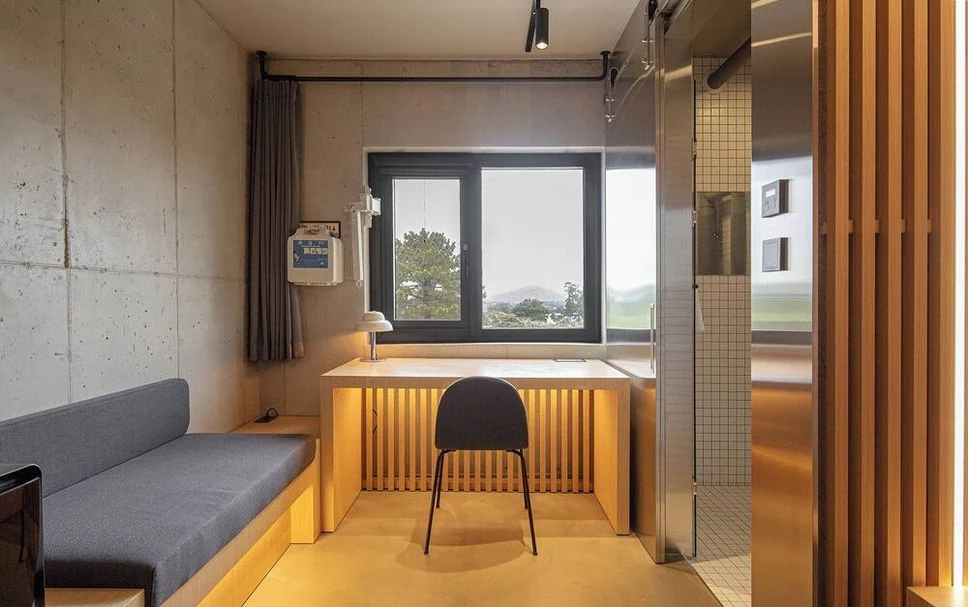
Use it when Jumunjin is the first stop the next morning. It removes the back-and-forth from central Gangneung, gives you a place to drop seafood or shopping, and leaves the short harbour walk optional. It is a port-base choice, not the smart pick for an early KTX from the city.
See Gangneung stay choicesDecide whether the room should save the northbound morning ride or protect your onward departure.
Before departure, recheck the market hours, sea conditions, transport and meal arrangements.
KriNavi decision card
Best use of this page: Jumunjin Port in Gangneung: Build a seafood stop around appetite, waiting time and the ride home
Core judgement: Plan a Jumunjin visit by separating the market, the meal, the harbour walk and the return, with options for non-seafood eaters and no-car travellers.
This card only reorganizes sources already listed by the page. Recheck live hours, prices, service, and restrictions for the travel date.