
KRINAVI TRIP FIT
Score withheld
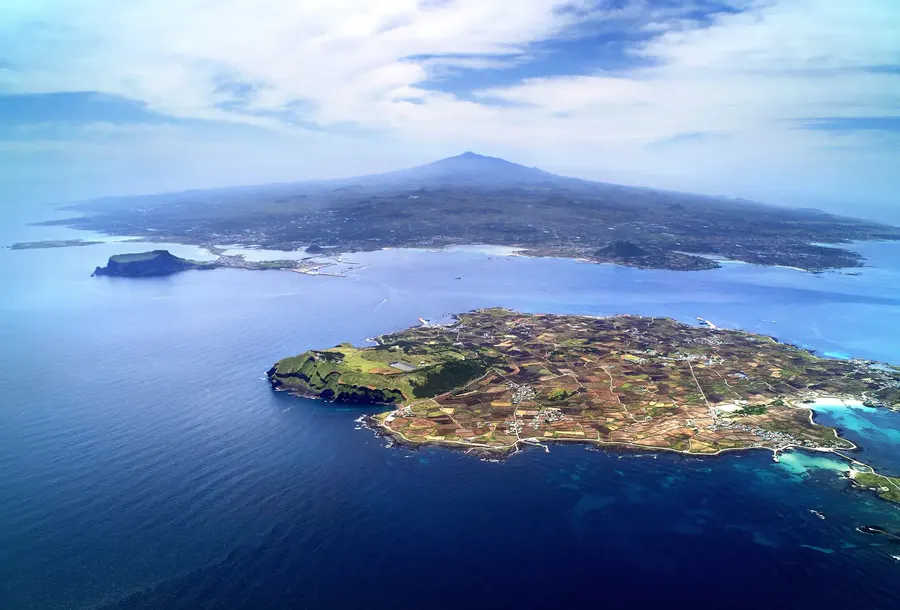
No numeric score is shown because this page does not yet have an external verification source. Use the planning checks, then confirm official information before booking or departure.
A rental car is not the entry ticket to independent travel in Jeju. It can connect a full day in one direction, but it also adds pickup, parking, insurance, driver fatigue and the simple fact that the driver cannot drink. The best candidate for a car is not the traveler with the longest wish list; it is the traveler who knows which days truly need flexible cross-area movement and has someone willing to stay focused for the final drive.
Start with whether the stops form one route, not whether your list covers the whole island
A car earns its keep when it lets you connect a full day cleanly in one direction: leave the hotel, move around one side of the island, then return after dinner without repeatedly waiting for fixed departures. If most of your plans sit within one compact area near the hotel, you may simply be paying for parking, insurance and pickup or return procedures.
Do not rent just because your saved map has pins in every direction. Put the pins onto actual days first. If the plan still jumps east, west, south and north because you want to see everything once, a car does not fix the route. It only makes an over-scattered itinerary look possible.
The driver's last hour matters more than the day's total mileage
Self-drive plans often count sightseeing distance but ignore who will be driving after dinner, in rain or when the group is tired. The driver is also handling navigation, unfamiliar roads, parking and luggage. Those demands accumulate. If nobody wants another drive after dark, place the hotel closer to where the day can naturally end instead of treating the car as an unlimited extension of the itinerary.
Friends should also agree in advance on whether “we can share the driving” is actually true. If only one person can drive, avoid turning every day into a long island loop. If everyone is unfamiliar with the roads, there is no need to land, collect the car and immediately launch into the longest drive of the trip. The point of renting is to reduce waiting and backtracking, not to hide one person's fatigue.
Car-free Jeju is not a fallback; it is a smaller, more deliberate route
Going without a car works best when you accept that this trip does not need to collect the entire island. Put the hotel, a few activities and meals into a tighter area and let the day breathe. On a short three-day trip, seeing fewer landmarks can be worth the trade if it removes parking, pickup deadlines and the need to manage driver energy.
That does not mean car-free travelers miss the scenery. It means changing “I want to go everywhere” into “what is most worth doing on this trip?” Reduce the trip to one or two directions, then use the Jeju stay-base guide to make sure the north or south still works for arrival and departure.
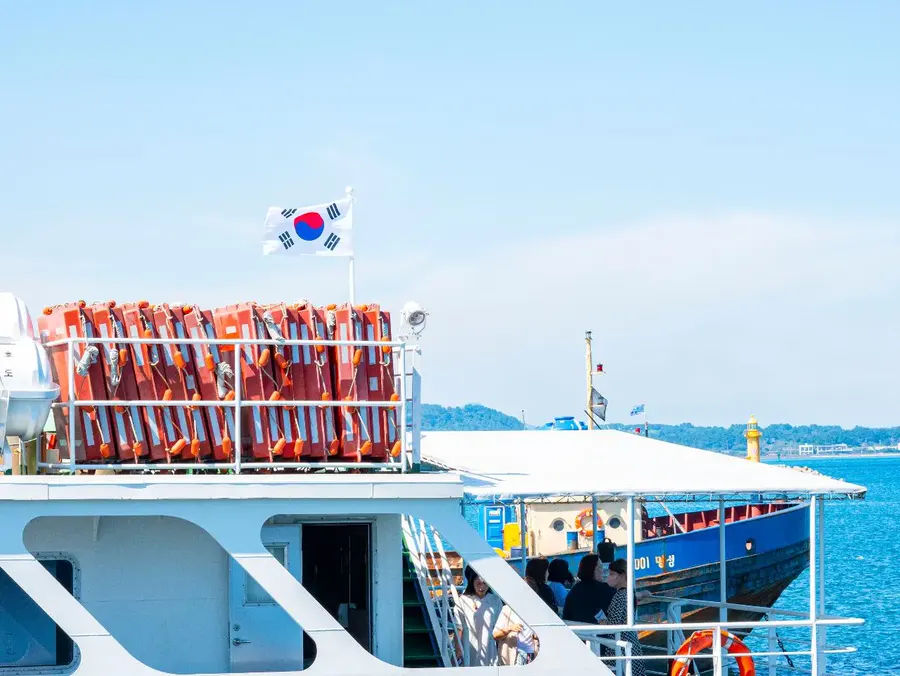
Pickup and drop-off can consume the two most valuable half-days
On short trips, the hidden cost of a car often falls on day one and the final day. Do you really want to collect it right after landing? Does returning it force the last morning to run on a tighter clock? If the first night is only about getting settled, starting the rental the next morning can be cleaner. If the final half-day is mainly airport logistics, do not squeeze one extra stop in just to justify keeping the car longer.
The right answer is whether the car saves more usable time than the process costs. Put pickup and return into the itinerary and check whether at least two full days become meaningfully easier. If the result is only a more rushed arrival and a tighter departure, no car may create more actual freedom.
A car is most useful when public transport would force repeated directional changes
“The sights are far apart” is too vague. What matters is whether the stops can be strung into a coherent line. A morning in Aewol, an afternoon on the Seogwipo coast and dinner back in Jeju City still makes for a fractured day even with a car. By contrast, an east-Jeju day around Seongsan with lunch, a walk and sunset on the same side gives the car a clear role: you can change a stop without recalculating the next bus and keep jackets or shopping in the vehicle.
Write down the first stop, last stop and hotel for each day. If two or more days cross the island center and do not connect well on a simple bus route, a car often makes the itinerary much more workable. If each day leaves the hotel in one direction and returns to the same area, compare car-free Jeju by bus before taking on a vehicle by default.
Your travel companions change what problem the car actually solves
For families with a stroller, child seat, older travelers with luggage or a group that needs midday hotel breaks, the car's biggest advantage may not be speed. It is reducing the number of times everyone has to reorganize themselves around boarding, transfers and bags. Keeping jackets, snacks and supplies in the car can add flexibility, especially outside the main city areas.
Families are also the least suited to long island loops every day. Once children are tired, the car stops being a solution and becomes a small space everyone is stuck in. Start with the right Jeju base, then decide which one or two days benefit most from driving. For two adults, be equally honest about whether either person actually wants to drive throughout the trip. If both prefer a drink with dinner or simply dislike unfamiliar roads, concentrating the stay in Jeju City or Seogwipo can be a better trip than driving merely to “see more.”
Rain, evenings and unplanned half-days are where the decision gets tested
Jeju weather changes how useful a car feels. On clear days, a coastal stop can run long and a detour to a village can be pleasant. In heavy rain, strong wind or poor visibility, the same car can leave the driver spending the day watching the road. Do not treat driving as a universal bad-weather fix. Keep a rainy-day Jeju alternative so you can simplify rather than force the planned coastline.
After sunset, unfamiliar roads and fatigue deserve their own calculation. If you like being able to drink, walk back and not think about navigation after dinner, keep some city days car-free. If the car is mainly for a full east- or west-coast day, place dinner on the return route and drop the vehicle the next day. Flight times matter too, so compare Jeju Airport to hotel transport before locking the rental window.
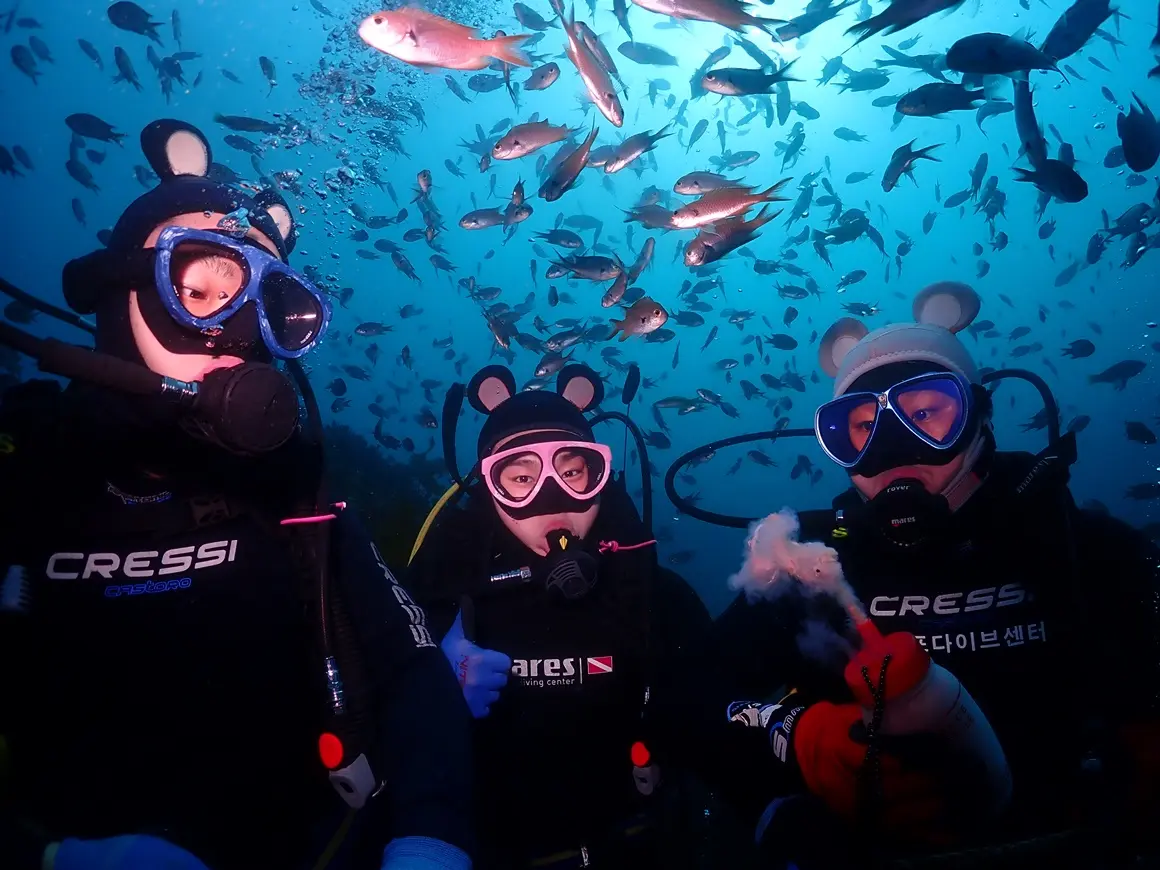
Partial rental often works better than renting for the entire stay
On a four- or five-day trip, it can make sense to use a car only for the two or three days that need it. Spend the first night near the airport or city without one, pick up the car for two directional day trips, then return it before the final night in an area where dinner and departure are easy. That removes paperwork from the edges of the trip and keeps the driver from handling the car immediately after landing or right before a flight.
When building a three-day or five-day Jeju itinerary, mark the days that genuinely require flexible cross-area travel first. Then decide how many rental days you need. Do not start with a five-day rental and fill the itinerary merely because the car is already paid for.
If you decide to rent, then move to vehicle class, insurance, license requirements, fuel and pickup details. Those conditions change by company and should be rechecked against current official terms before payment. For the execution layer, continue with the Jeju car-rental checklist once the bigger question—how many days you actually need the car—is settled.
Final test: what would you actually give up without the car?
If the answer is two full directional days, easier stops with children or repeated group transfers you genuinely want to avoid, the car has a clear purpose. If the answer is only “Jeju feels like somewhere you are supposed to drive,” do not rent yet. The useful question is not whether you can drive; it is whether driving buys back time you already wanted to use.
Run the itinerary once without the car. If what disappears is a place you truly care about, keep the rental. If what disappears is only a handful of filler stops added to prove the car was worthwhile, keep the empty space instead. A relaxed dinner, an early hotel return in bad weather and enough energy for tomorrow can be worth more than another hundred kilometers.
KriNavi decision card
Best use of this page: Do You Need a Rental Car in Jeju? Decide by Time Saved, Not Habit
Core judgement: A rental car is not the entry ticket to independent travel in Jeju. It can connect a full day. Use the practical trade-offs to make the final trip decision.
This card only reorganizes sources already listed by the page. Recheck live hours, prices, service, and restrictions for the travel date.